Chapter 1. Setting the Stage
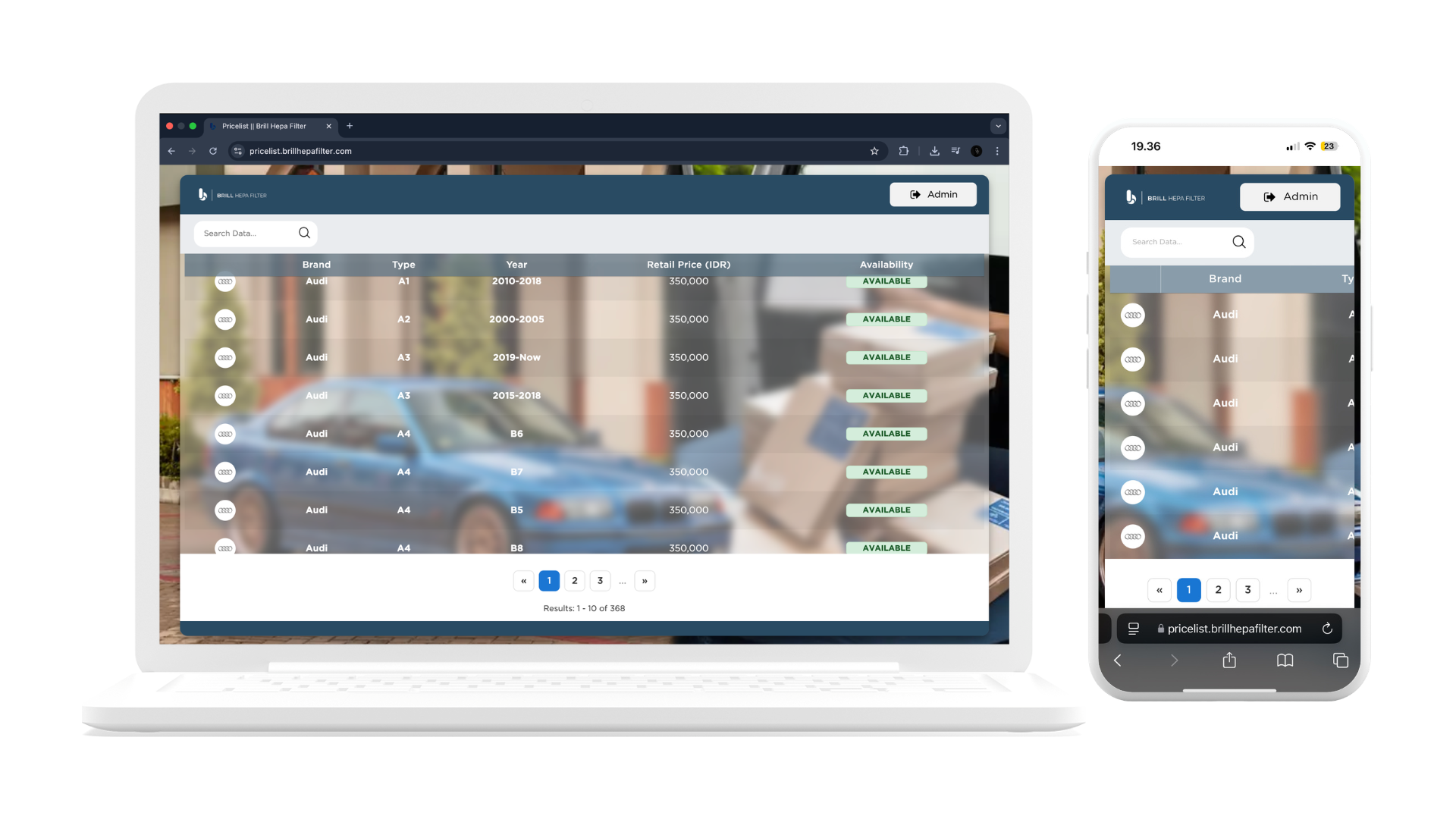
Brill Pricing System was developed to manage product pricing in a more flexible way, especially for different variants and package-based offerings. Rather than hardcoding prices into static pages, the system was structured so pricing rules and display data could be maintained more efficiently from the backend.
This work was delivered in collaboration with Media Team and Direct Client.
Chapter 2. Carrying the Work
Responsibilities in this project included Pricing Logic Design, Data Structure Planning, Back-end Development, Admin Integration, Dynamic Display Development, and Iteration and Refinement.
Chapter 3. What Changed
The project produced a dynamic pricing layer that made it easier to manage product variants, package configurations, and future pricing updates. This reduced dependency on manual page changes and gave the product side a more scalable way to organize commercial information.
Chapter 4. The Problem and the Response
Problem
As Brill introduced more structured offerings, pricing became more than just a single number per product. Different variants and package combinations required a system that could present pricing data consistently while still being maintainable from the backend.
Solution
The solution was to build a dedicated pricing system that could support configurable product pricing and package presentation. My role focused on translating the pricing structure into a maintainable implementation, connecting it to the broader system, and preparing it for future commercial changes.
Chapter 5. How It Was Built
This project functioned as a pricing engine layer for the Brill ecosystem. It helped organize how prices, variants, and package options were maintained and displayed. Instead of treating pricing as static content, the implementation moved it toward a more structured and reusable backend-driven approach.
Implementation Flow: The pricing module is connected to the admin side so updates can be managed more centrally. Frontend output is arranged to present package options and pricing information in a clearer customer-facing format. The system is refined to support future changes in pricing strategy without needing a full structural rewrite.
Implementation details included Dynamic pricing structure for product variants and package options, Backend-driven price retrieval and data organization, Integration with internal admin workflows, Reusable pricing presentation logic for customer-facing pages, Configuration-oriented setup for easier commercial updates, and Refinement to support future bundling and pricing expansion.
Some screens and implementation details have been intentionally generalized because this was an internal enterprise project.
Chapter 6. Application Flow
Primary Flow: Pricing requirements are identified first, including product variants and package-based offers that need to be displayed consistently. A pricing data structure is prepared so the system can separate product information from the pricing configuration itself. Back-end logic is implemented to retrieve and organize price data dynamically instead of relying on fixed page content.